
Condensation Investigation in Harrow
Recurring droplets, cold corners and mould near windows can point towards condensation. An investigation looks at indoor moisture and cold surfaces alongside other possible sources.
- Understand when moisture appears
- Consider cold surfaces and room use
- Separate clues from assumptions
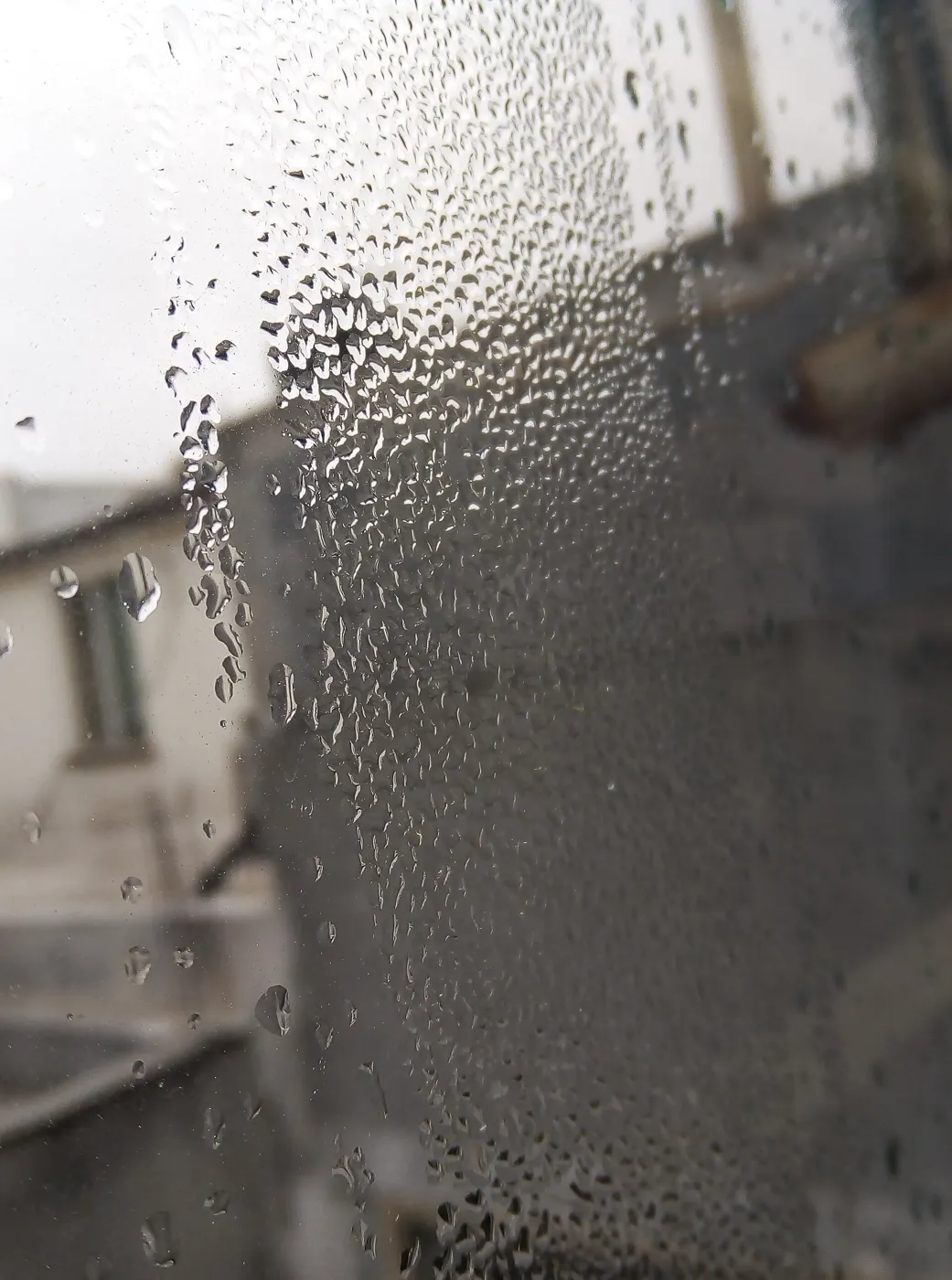
Why investigate condensation?
Recurring moisture on glass or cold surfaces can help us understand where indoor moisture is collecting.
What do we discuss first?
We ask when moisture appears and consider room use, cold surfaces and other possible causes.
Why condensation forms
Air contains water vapour. When moist air meets a sufficiently cold surface, water can appear on the surface. Windows often make the problem visible first, while cold wall edges or areas behind furniture can stay damp for longer without being noticed.
Cooking, bathing and drying clothes can add moisture indoors. Outdoor conditions, heating patterns, insulation and the way rooms are used all affect the picture; no one factor should be blamed without considering the rest.
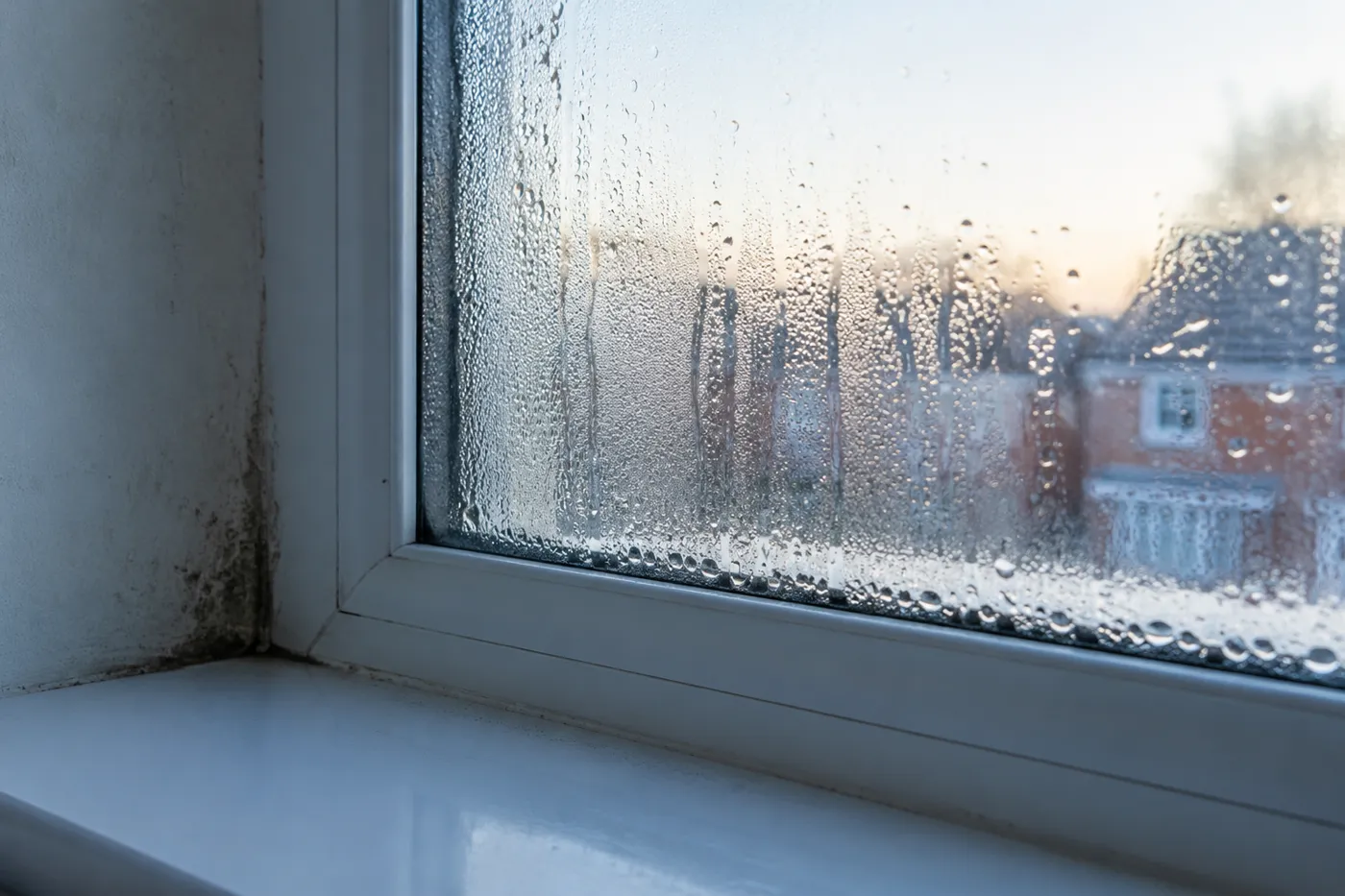
What to observe
Note whether water appears in the morning, during cold weather or after particular activities. Check more than one room and distinguish moisture on the room-facing glass from water between panes or a leak around the frame.
A local investigation considers the affected surfaces and the history of the property. If a patch is linked to rainfall or plumbing use, another source may need attention even when condensation is also present.
Practical changes and limits
Use existing extraction during moisture-producing activities where it is working and appropriate. Allow air to move around cold areas and remove persistent water from window sills. Consistent heating where practicable can help reduce very cold surfaces.
Ventilation alone cannot repair defective plumbing or stop water penetration. If the issue continues after sensible changes, seek further assessment rather than repeatedly cleaning and redecorating.
| Observation | What we consider | Possible next step |
|---|---|---|
| Wet room-facing glass | Note when droplets appear and room activities. | Consider indoor humidity and cold surfaces. |
| Moisture between panes | The water is within the glazing unit. | Discuss a separate glazing assessment. |
| Patch after rain | The pattern may indicate another source. | Consider external water alongside condensation. |
Related ways to investigate
Questions before you arrange a visit
Is water between double-glazing panes the same as room condensation?
Not necessarily. Moisture between panes may indicate an issue within the glazing unit and needs a different assessment.
Why is a bedroom corner affected?
A cold surface and restricted air movement are possible contributors, but the corner's construction and water history also matter.
Should windows be left open all day?
Not as a universal rule. Suitable ventilation needs to be considered alongside weather, heating, security and the property's existing provision.
How we investigate condensation
We ask when droplets or damp marks appear: first thing in the morning, after a shower, while cooking or during cold weather. We also discuss whether several rooms are affected and whether the problem has changed after work on the building.
We consider the affected surface and its surroundings. Window glass, reveals and external wall corners can cool at different rates. We look at the pattern of moisture alongside room use and ventilation, while keeping other possible sources in mind.
The aim is to determine what the visible clues support and what they do not. Moisture on the room-facing surface is different from water trapped between glazing panes. A patch that becomes worse after rain needs different questions from droplets that regularly form overnight.
We discuss practical steps appropriate to the property and whether further inspection is needed. Existing extraction, heating patterns and air movement may be relevant, but opening a window is not presented as a fix for leaks or water entering from outside.
The questions we ask first
We ask when the windows or walls become wet and which rooms are affected. A bedroom that is damp on cold mornings may have a different pattern from a bathroom that remains wet after use. Tell us about drying clothes, cooking, bathing and any changes to heating or ventilation, without assuming any one activity is the cause.
The history of the window also matters. Water on the room-facing glass is not the same observation as moisture between panes, and a wet reveal after heavy rain raises a different question. Showing us the position of each sign helps avoid treating every patch as the same problem.
Comparing the evidence
We consider how the room is used, the location of cold surfaces and the visible pattern of droplets or growth. If furniture sits close to an external wall, limited air movement can be relevant. The age and construction of a property may influence the surfaces available for inspection, but neither proves a particular diagnosis.
Where appropriate, measurements need to be interpreted in the conditions in which they were taken. A single visit is a snapshot, and conditions can change with weather and occupancy. If a suspected source is concealed or the pattern is inconsistent, further observation or another investigation may be appropriate.
What we discuss after the visit
We explain the clues that support condensation and any evidence that suggests another source should also be investigated. Practical measures may include better use of existing extraction, managing indoor moisture and allowing air to circulate around cold areas, where appropriate for the property.
Do not block permanent vents or compromise ventilation required for an appliance. A fan or open window cannot repair a leak or rainwater defect. If moisture continues, record when and where it occurs and discuss the next step rather than relying on repeated surface cleaning.
Understanding when the moisture appears
We begin by asking where droplets or damp marks appear and when you first notice them. Morning condensation on bedroom glass, moisture after a shower and a stain that changes after rain provide different information. Tell us which rooms are affected, whether the issue is seasonal and whether the marks have returned after cleaning. Photographs taken at different times can help show the pattern, especially if the surface is dry by the time of the visit.
We also ask about recent changes to windows, heating, room layout or water damage. The aim is to understand the history without assuming that every wet window or mould patch has the same cause. If moisture is trapped between panes rather than on the room-facing surface, that distinction should be discussed because a glazing assessment may be needed separately.
Checking the room and nearby surfaces
During the agreed visit we look at the affected glass, frames, reveals and other accessible surfaces. Cold corners, areas behind furniture and surfaces close to kitchens or bathrooms may provide useful clues. We consider how the room is used, what moisture-producing activities occur nearby and whether air can move around the affected area. We also look for evidence that might point to a leak or rainwater entering the building.
Where suitable, measurements can help put observations in context, but a single humidity or surface reading describes conditions at that moment. It cannot on its own establish what happens overnight or throughout the heating season. We explain the limits of the visit and whether further observation or monitoring would help resolve an uncertain pattern. We do not open walls or carry out repairs unless a separate scope has been agreed.
From findings to an agreed next step
We explain what we observed and which factors appear relevant. The next step might be to review how existing extraction is used, reduce a particular indoor moisture source or look more closely at a cold surface. If the evidence points towards water ingress or a concealed leak, a different investigation may be appropriate. Ventilation can help with moisture generated indoors, but it cannot repair a pipe or stop rain entering through a defect.
If mould is present, discuss the material and extent before choosing a cleaning or removal method. Treating a mark without addressing the moisture can leave the conditions for it to return. Any treatment, repair, fan installation or building work should be agreed separately where it is outside the investigation.
After the visit, keep a simple record of recurring condensation, room conditions and any change after the next period of rain or cold weather. If practical changes are made, observe whether the same surfaces remain wet. That record helps decide whether the original explanation fits or whether another source needs investigation before redecoration.
Discuss your property
Call about a mould or moisture concern in Harrow, HA1 or HA2.