
Damp Inspection in Harrow
Damp marks can result from different sources. A considered inspection looks at the affected materials, their position and the history of the problem before suggesting a next step.
- Examine the pattern of damp
- Consider internal and external clues
- Discuss practical next steps
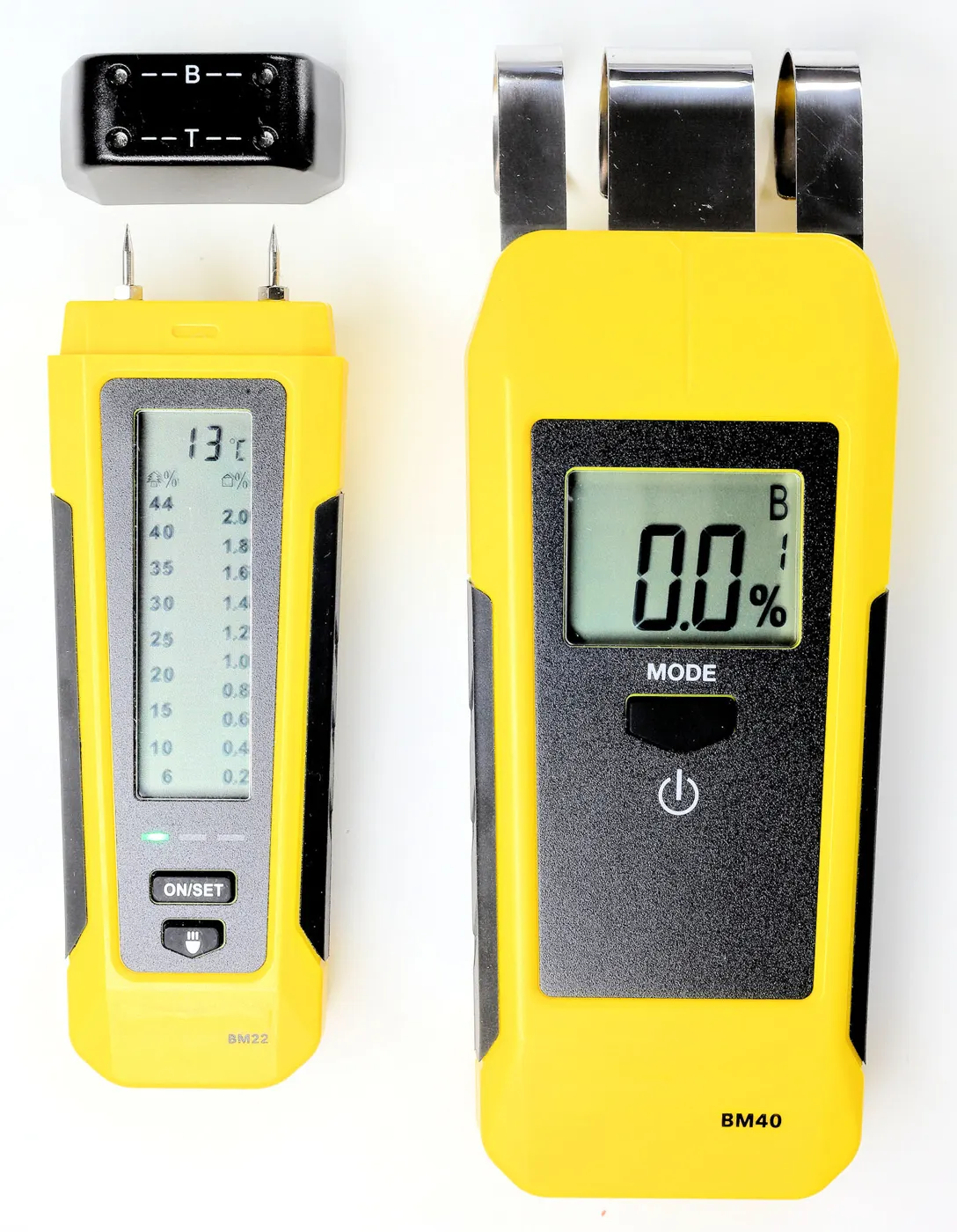
What does a damp inspection consider?
We examine the history and accessible damp areas, alongside clues from surrounding surfaces and external conditions.
Can one reading confirm the cause?
No. A measurement is considered with the material, location and other evidence before discussing a next step.
Recognising a possible damp problem
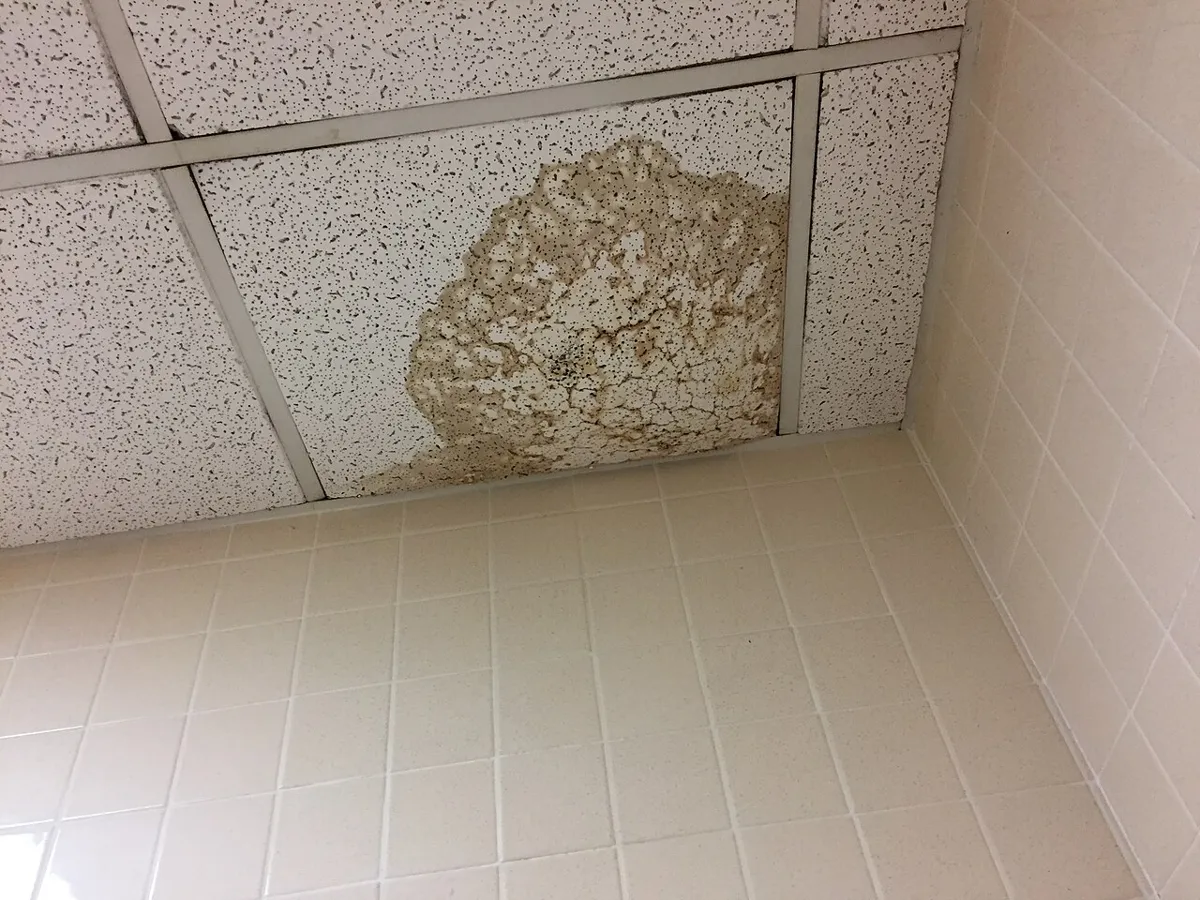
Staining, peeling paint, a musty smell or damaged plaster may indicate that a surface has been wet. A patch close to a window, beside a chimney or low on a wall should be considered in relation to the construction and any nearby water source.
Note when the mark appeared and whether its size changes after rain, a bath or use of plumbing. A single visual sign cannot reliably distinguish condensation from water entering a wall.
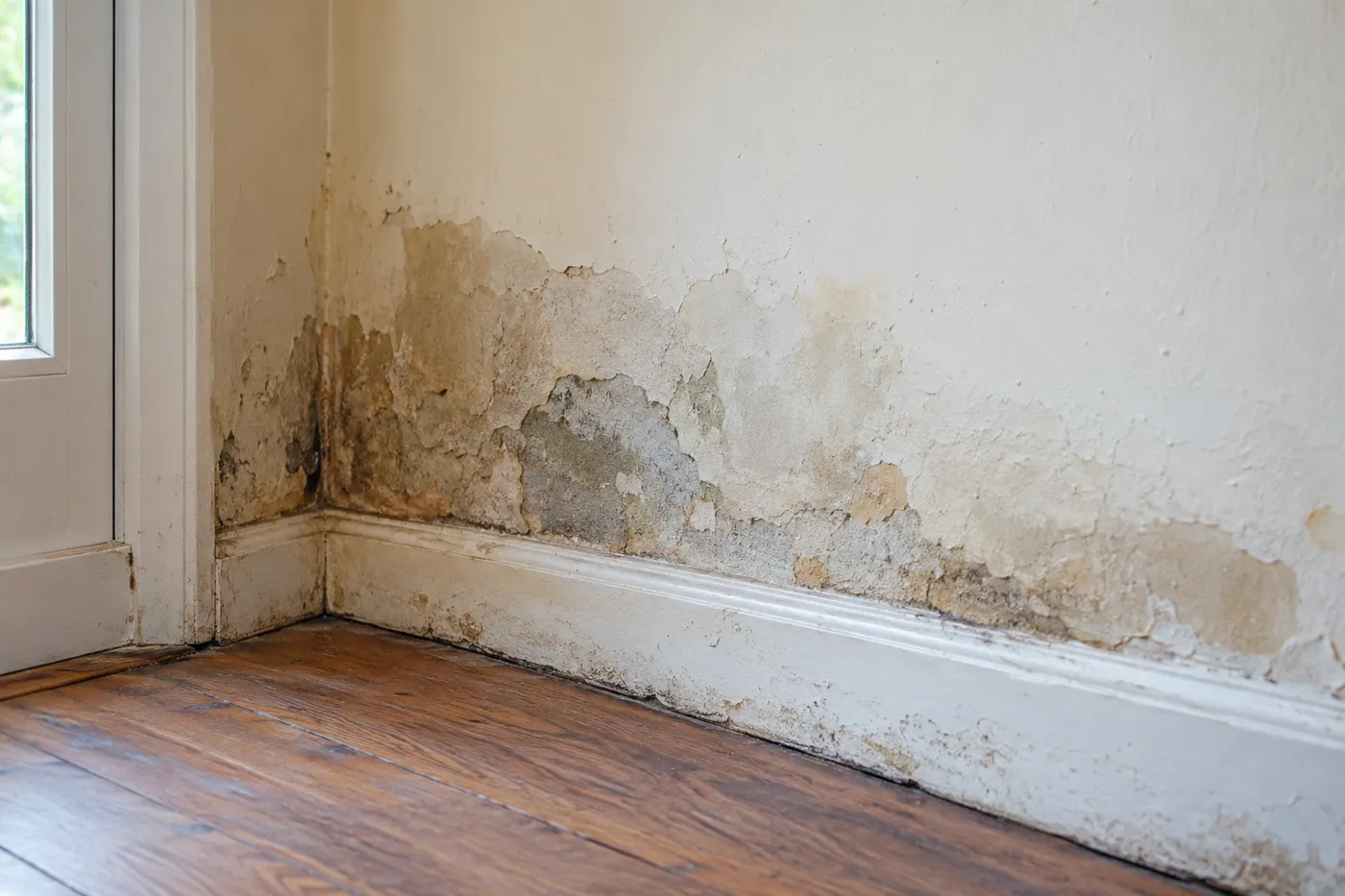
Reading the evidence in context
An inspection can look at adjoining surfaces, accessible external details and the pattern of any measurements. The type of material affects how an instrument reading should be interpreted; salts, metal and surface finishes can also complicate interpretation.
A reading is one piece of evidence, not a complete diagnosis. If the affected construction is concealed or inaccessible, the source may require a separate investigation or further monitoring.
After the assessment
The findings should distinguish what was observed from what is suspected. Ask which areas were accessible, what remains uncertain and whether a leak, ventilation issue or external defect should be investigated further.
Where repairs are required, agree their scope separately with the appropriate provider. Drying and redecoration should follow the resolution of the underlying cause, not be treated as a substitute for it.
| Observation | What we consider | Possible next step |
|---|---|---|
| Patch after rain | Compare the mark with accessible external features. | Consider an external water investigation. |
| Stain near plumbing | Discuss water use and the history of the mark. | Consider whether leak tracing is appropriate. |
| Cold internal corner | Review room conditions and nearby surfaces. | Consider condensation alongside other evidence. |
Related ways to investigate
Questions before you arrange a visit
Does damp always mean water is entering from outside?
No. Indoor condensation and leaks are also possible. The location and history help determine which explanation needs checking.
Are readings conclusive on their own?
No. Measurements need to be considered with the material, construction and visible evidence.
Should I repaint a damp patch?
Establish why it is damp first. Decorating over an active source can conceal a continuing problem.
What we consider during a damp inspection
We ask when the mark was first noticed and what changed around that time. Recent rainfall, a plumbing alteration, a change in heating or a previous repair may help us decide where to look. If the patch changes, note the timing and take photographs from the same position.
We examine the accessible affected surface and compare it with nearby areas. The position of skirting, windows and adjoining walls can help frame the investigation. We also consider whether the material is visibly damaged, stained or simply cold to the touch; these observations are not interchangeable.
If a moisture meter is suitable for the surface, any reading needs context. Construction materials and finishes differ, and a single number cannot establish the route by which water arrived. We discuss what is accessible and whether further specialist work would be needed to inspect concealed areas.
At the end, we distinguish the evidence from possibilities that remain unconfirmed. If the pattern suggests a water source outside the inspection scope, we explain why another investigation or trade may be needed. Repairs and redecoration are not automatically included.
What to prepare before we visit
Identify the location of the patch and tell us how long it has been visible. Let us know whether the stain changes following rainfall, water use or a period of cold weather. Previous photographs, details of an earlier leak and records of repairs can help place the current mark in context.
We need reasonable access to the affected area and, where relevant, nearby surfaces. Tell us about fitted cupboards, heavy furniture or restrictions before the appointment. Do not remove fixed finishes or expose electrical equipment to make an area accessible without appropriate advice.
Why the construction matters
Different surfaces absorb and release moisture differently. A reading on a coated wall may not mean the same thing as a reading on an exposed material, and metal or salts can complicate interpretation. We compare observations within the limits of the instrument and the material instead of treating a number as a complete diagnosis.
A patch near the bottom of a wall, under a window or beside a bathroom has a location worth investigating, but position alone does not establish the route of moisture. We consider accessible exterior details, adjoining areas and the history when deciding what should be checked next.
From assessment to action
We explain the evidence found during the inspection and any areas that could not be examined. A suspected plumbing leak, external defect or ventilation issue may require a different next step. Agree any additional investigation separately, particularly if it would involve opening up a wall or using access equipment.
Once a source has been addressed, materials may need time to dry. The surface should be reconsidered before redecoration. If the patch changes or returns, keep a record of when that happened and discuss whether the original source has actually been resolved or another factor remains.
Planning the inspection around the pattern
The first conversation helps us decide which parts of the property to examine together. We ask which room is affected, whether the mark is on an external or internal wall, and whether it appeared suddenly or developed over a longer period. If the affected area is below a bathroom or close to pipework, we consider the relationship between the mark and the fittings above or beside it. If the wall faces outside, the condition of accessible rainwater goods, pointing and window junctions may be relevant. These are starting points for an inspection, not conclusions reached over the telephone.
Where you have photographs taken on different dates, show us how the mark changed. A stain that grows after heavy rain provides a different clue from droplets that collect on a cold wall during everyday use of a room. Previous treatment, a replacement window or a recent plumbing repair can also affect the interpretation. We will ask what was done and whether the area improved, stayed the same or became damp again.
Checking adjoining surfaces and accessible details
During the agreed visit, we examine the affected surface and areas around it. We look for the edges of staining, changes in paint or plaster and signs of moisture around skirting, reveals and junctions. Comparing the affected area with nearby apparently unaffected surfaces can help us decide where the pattern starts and whether it extends beyond the most visible mark. Access and the condition of the finish determine what can be checked without disturbing the property.
Where appropriate, a moisture meter can help compare similar accessible materials. A meter does not tell us by itself whether water came from a pipe, rain or condensation, and a reading can be affected by the surface and its construction. We therefore interpret measurements alongside the visual pattern and the history you provide. We do not promise to locate concealed defects from one reading or to inspect behind fixed finishes without a separately agreed investigation.
Agreeing the next practical step
After the inspection, we explain what the evidence supports and what remains uncertain. If rainwater appears relevant, the next step may be a closer examination of an accessible gutter, external joint or wall detail. If the position and history suggest a pipe or fitting, a plumbing investigation may be appropriate. Where surface moisture appears connected with room conditions, heating and ventilation may need to be considered together. More than one factor can contribute to the same patch, so the order of work matters.
We discuss whether a further specialist visit, monitoring or repair is needed before any decorative work. Remedial work, opening up, plumbing repairs and access equipment are not assumed to be part of a basic inspection; their scope can be agreed separately. If the source has already been repaired, we can discuss the need to allow the material to dry and to observe whether the pattern changes before redecoration. Keep a dated record of any new staining or visible moisture, because it can help the next person assess whether the original problem has been resolved.
Discuss your property
Call about a mould or moisture concern in Harrow, HA1 or HA2.