
Mould Removal Service in Harrow
Mould removal begins with the material and the moisture behind the growth. The right approach depends on how much is affected, what the surface is made of and whether the damp source has been addressed.
- Assessment before treatment
- Attention to the moisture source
- Clear discussion of the proposed work
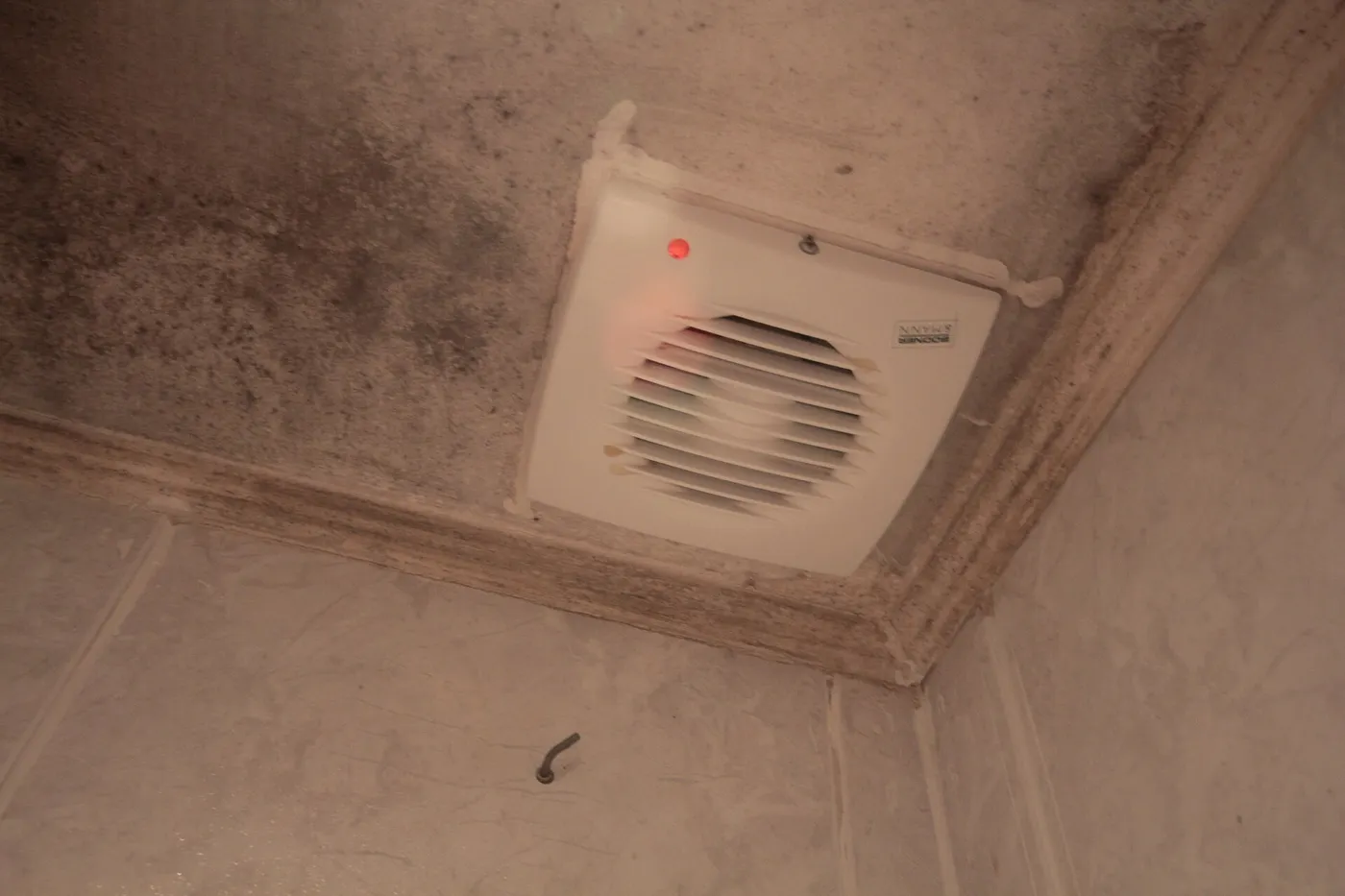
Does mould removal address the cause?
Removal addresses affected surfaces; a moisture source also needs to be identified and addressed to reduce the chance of recurrence.
What happens before treatment?
We discuss the affected material, visible extent and proposed scope before a treatment is agreed.
What needs to be assessed
Growth may be visible on paint, sealant, plaster or furnishings. The same appearance can cover a shallow surface mark or a material that has remained wet for longer. Before choosing a treatment, establish what can be reached, what has been affected and whether the material is sound enough to clean.
A damp patch that remains active, a stain that expands after rain or growth that returns after cleaning warrants investigation. Removing the visible growth without resolving the water source can leave the conditions for it to return.
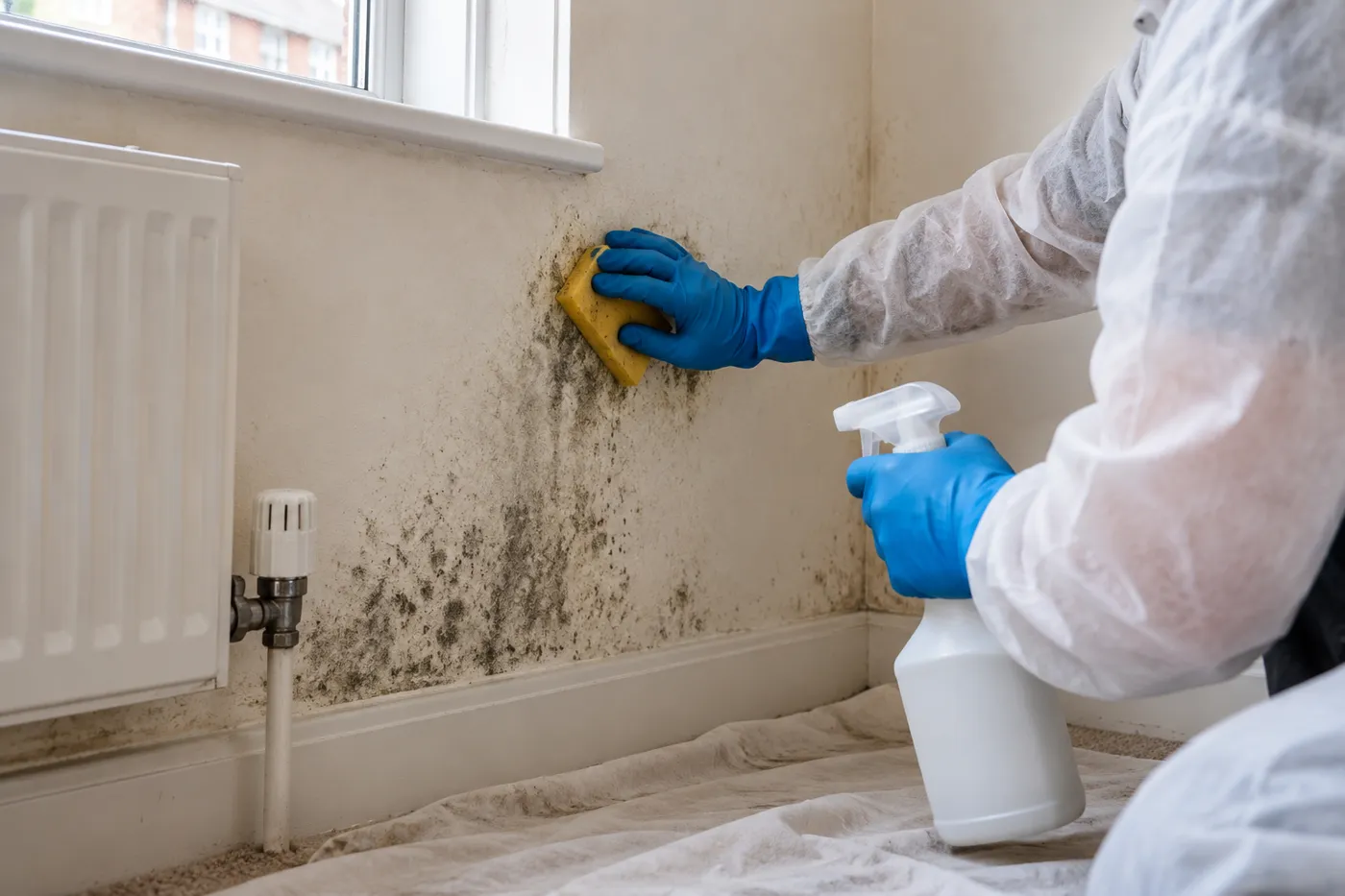
Deciding how to remove the growth
The scope should account for the area, surface condition, occupants and access. Discuss the proposed cleaning or treatment, precautions and any limitations before work starts. Materials that are damaged or cannot be cleaned effectively may require separate specialist advice; replacement should not be assumed to be included.
Avoid disturbing extensive growth while deciding what to do. Do not mix cleaning chemicals. If anyone in the property has health concerns, seek appropriate medical advice rather than relying on the appearance of the mould.
After the visible mould is addressed
Ask what was treated, what remains outside the agreed scope and what the findings suggest about moisture. Where an inspection points to a leak or external defect, that issue needs its own assessment or repair by an appropriate party. Neither a clean surface nor a single dry reading proves that a concealed source has been resolved.
Keep a record of when the area was treated and watch for renewed moisture or marks. Improvements to ventilation can help with indoor humidity, but cannot correct a pipe leak or rain entering a wall.
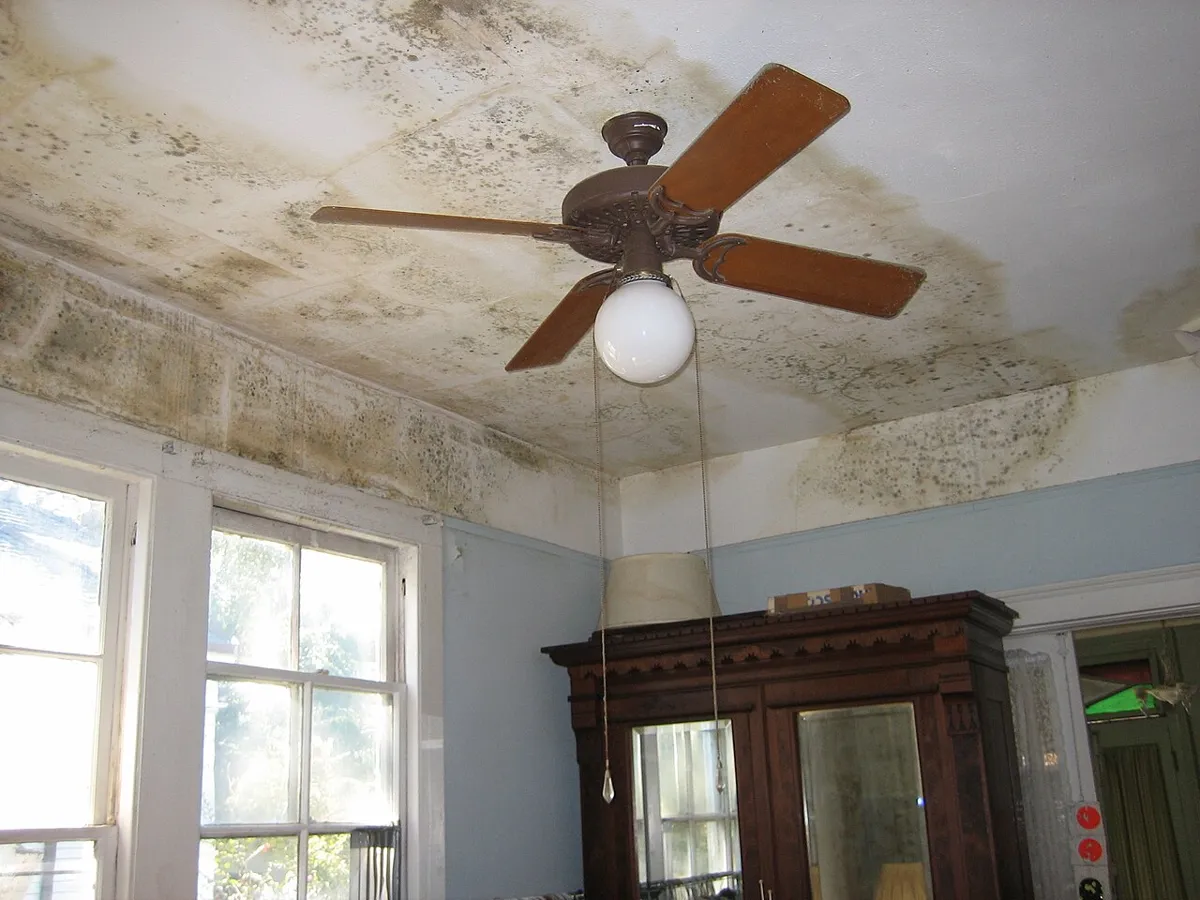
| Observation | What we consider | Possible next step |
|---|---|---|
| Painted wall | Check whether the finish is sound and the moisture source remains active. | Agree the area and treatment scope before work. |
| Porous material | Growth may extend beyond the visible surface. | Discuss whether cleaning is suitable or further advice is needed. |
| Recurring mould | The same damp conditions may still be present. | Investigate the moisture source alongside removal. |
Related ways to investigate
Questions before you arrange a visit
Can mould be painted over?
Painting over growth does not establish or resolve its moisture source. The affected material and the cause should be assessed before redecorating.
Will one treatment prevent it returning?
Recurrence depends on the source of moisture and the condition of the material. No outcome can be guaranteed without addressing the underlying conditions.
Can a tenant request an assessment?
A tenant can discuss the problem; access and any authorised work should be agreed with the person responsible for the property.
Mould removal in practice
We begin by discussing the affected rooms and the history of the growth. Tell us where you first noticed it, whether it has been cleaned before and whether it returns in a particular season. We also need to know whether the area can be reached without moving heavy furniture or disturbing damaged materials.
We then consider the extent of visible mould and the surface underneath. Paint, sealant, plaster and porous furnishings do not necessarily respond in the same way. Before treatment is agreed, we discuss what can be addressed within the proposed scope and what might need a separate specialist.
The proposed cleaning approach depends on the area, material and conditions found. Precautions, access and any time the room needs to remain out of use should be confirmed as part of the plan. We do not assume that every mark can be removed without affecting the finish or that damaged material can always be retained.
Afterwards, we explain what was treated and whether a moisture issue remains to be addressed. If rainwater entry or a leak is suspected, the relevant repair is a separate step. A clean appearance is useful, but it is not proof that the underlying source has stopped.
Before the removal visit
We discuss access to the affected surface and the condition of nearby belongings. Please point out loose finishes, damaged plaster and furnishings close to the area. If a wardrobe, fitted unit or heavy appliance conceals part of the problem, tell us beforehand so that access and responsibility for moving it can be agreed. Do not pull apart a damaged wall or scrape extensive growth simply to prepare for the visit.
The proposed scope should describe the areas to be treated, any precautions for occupants and the materials to be addressed. If the visible mould is only part of a larger damp problem, explain that history before work is agreed. The conditions found during the visit can change the appropriate approach, so ask how a change in scope would be discussed.
What can change the treatment plan
A hard, sound surface and a porous, water-damaged material may need different consideration. The extent of growth, the condition beneath it and the ability to reach the surface all matter. A treatment plan should explain what is included and whether the material needs further assessment. It should not imply that every discoloured finish can be restored or that inaccessible surfaces have been treated.
Where there is a current leak or rainwater entry, the source should be addressed separately. Drying, repairs and reinstatement may require another provider. We can discuss how the observations affect the next step, but a removal enquiry does not automatically include plumbing, building work or replacement of materials.
Looking after the area afterwards
Ask for any instructions relevant to the actual treatment and the material involved. Keep track of recurring dampness and the conditions in which it appears. A photograph taken from the same position can help show whether a small mark changes over time. Report fresh moisture rather than repeatedly painting over it.
Routine ventilation may reduce moisture generated indoors, but it is not a substitute for resolving a leak. If the affected area remains damp, or the growth reappears after the source was thought to be resolved, further investigation may be needed. The appropriate action depends on what is happening at the property, not on a fixed timetable.
Preparing for the removal visit
Tell us where the growth is visible, how long it has been present and whether it has returned after previous cleaning. Photographs can help us understand its position and approximate extent before the visit, although they cannot show everything that may be concealed. Let us know if the affected area is close to soft furnishings, inside a fitted cupboard or around a window, and whether access is restricted. This information helps us discuss the appropriate scope without assuming that every surface can be treated in the same way.
Before work is agreed, we consider the material beneath the growth. Painted plaster, sealant, timber and porous furnishings can respond differently to moisture and cleaning. A surface that is loose, badly damaged or still wet may need a different approach from one with limited superficial growth. Where removal or replacement of damaged material is necessary, the extent and responsibility for that work should be discussed separately rather than assumed to be included.
During treatment and after the visit
The method depends on the extent and location of the growth, the surface and the conditions found. We discuss how the work area can be prepared and what needs to be moved or protected. The aim is to treat the affected accessible areas without unnecessarily spreading debris to adjacent rooms. Any treatment products and practical access requirements should be agreed for the property before work begins. Occupants should follow the instructions given for the specific work area and any product used.
Removing visible growth is only one part of the response. If the wall remains damp because of a leak, external water or repeated condensation, mould may return even after a careful clean. We explain any visible moisture clues and discuss whether a damp inspection, leak investigation or ventilation assessment is an appropriate next step. Finding and repairing a concealed defect may involve another visit or trade; no particular outcome can be guaranteed before the cause is established.
After the agreed work, ask what was treated, whether any surfaces were inaccessible and what needs further attention. Materials may need time to dry before they can be redecorated. If the same area becomes wet or discoloured again, record when it happened and whether the change followed rain, plumbing use or a period of condensation. This information helps determine whether the moisture source has been resolved or needs further investigation.
Discuss your property
Call about a mould or moisture concern in Harrow, HA1 or HA2.