
Condensation & Ventilation Assessment in Harrow
Ventilation is one part of managing indoor moisture. An assessment considers how air enters and leaves affected rooms and how that relates to condensation patterns.
- Review moisture-producing activities
- Consider available air movement
- Identify questions for the next step
What does the ventilation assessment cover?
We discuss moisture-producing activities and accessible ventilation in affected Harrow rooms.
Does the assessment include installation?
No installation is assumed. Any work beyond the agreed assessment needs to be discussed separately.
Where indoor moisture comes from
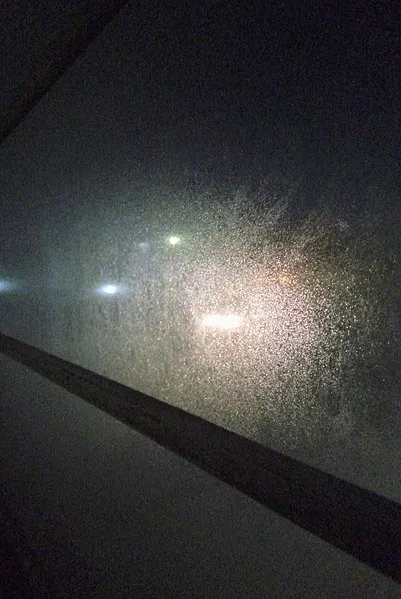
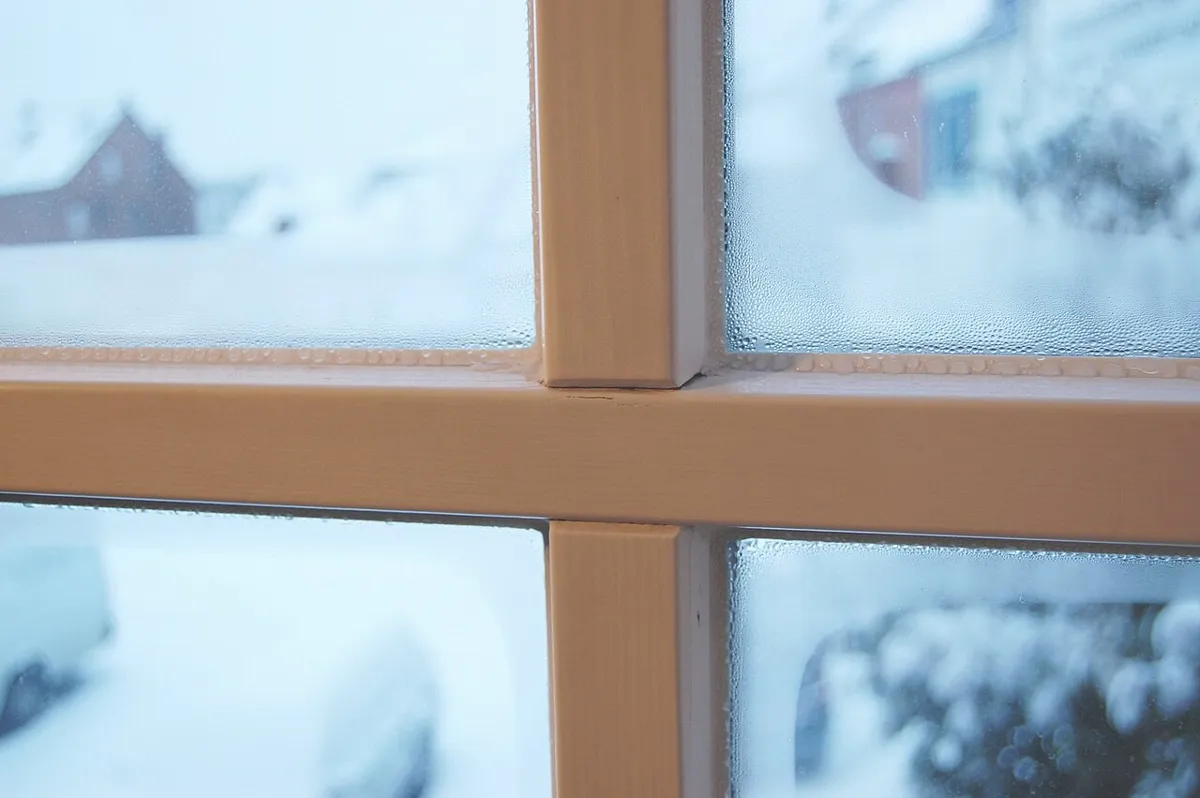
Bathrooms and kitchens can produce short bursts of moisture, while drying clothes indoors and occupied bedrooms can add moisture over longer periods. A visible window film can be a useful prompt to look at how the room is used and whether moist air can leave.
The presence of an extractor or vent does not by itself establish that ventilation is adequate. Its condition, use and actual provision need to be considered with the room and its occupants.
Reviewing the room
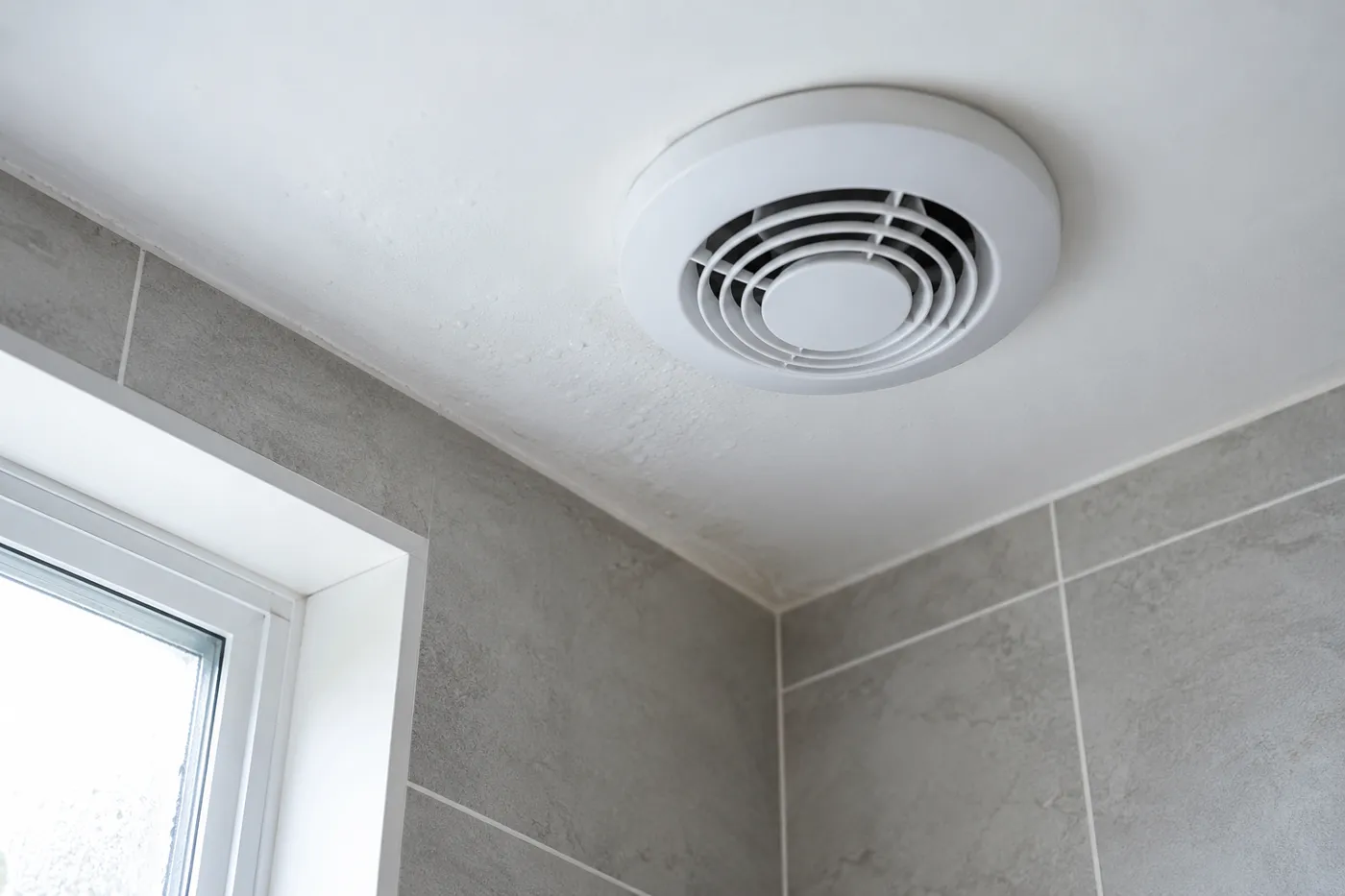
Discuss when moisture is generated, which ventilation openings are available and where condensation or mould occurs. A bathroom fan, kitchen extraction or window vent can be considered where accessible, but the scope of any functional test must be agreed.
Cold surfaces and restricted space behind furniture can contribute even when a vent is present. If staining follows rain or there are signs of a leak, a separate source should not be ruled out.
What happens after the assessment
The outcome may be advice on the use of existing ventilation, a recommendation for further specialist assessment, or investigation of another moisture source. Installation and repairs are not assumed to be included.
Do not block permanent ventilation openings or alter gas appliance ventilation without qualified advice. Practical changes should fit the building, its heating and the needs of its occupants.
| Observation | What we consider | Possible next step |
|---|---|---|
| Bathroom extractor | Consider accessible provision and when it is used. | Agree the scope of any functional check. |
| Cold bedroom corner | Consider surface temperature and air movement. | Discuss the room conditions and furniture position. |
| Blocked permanent vent | Do not assume it can safely be covered or altered. | Seek suitable advice before changing provision. |
Related ways to investigate
Questions before you arrange a visit
Does an extractor remove all damp?
No. It can help remove moisture generated in a room, but it cannot stop water entering through a defect or leak.
Can a fan be checked without dismantling it?
The visible provision and operation may be discussed; confirm the agreed scope and any access restrictions before the visit.
Are new fans included?
An assessment does not automatically include installation or repair. Ask for the proposed scope separately.
What we look at in a ventilation assessment
We begin by identifying the rooms in which moisture appears and the activities that produce it. Explain how the bathroom, kitchen or bedroom is used, when condensation is most visible and what ventilation is currently available.
We consider accessible vents, windows and extractor provision in relation to the affected surfaces. A fan being present does not automatically establish its performance. The precise extent of any functional check needs to be agreed, particularly where equipment is inaccessible.
We also consider cold corners, furniture placement and the pattern of heating. These factors can affect where moisture settles. We do not assume that ventilation is the only cause if a patch follows rainfall or occurs close to plumbing.
We discuss the observations and a suitable next step, which may include advice on existing provision or a separate specialist review. Installing a fan, changing wiring or carrying out building work is not included merely because ventilation was assessed.
Before we assess a room
Tell us when the room is used, when moisture is most noticeable and whether the problem occurs in other spaces. Describe any existing fan, window vent or other opening you know about. If a fan is noisy, difficult to reach or appears not to operate, mention it before the visit rather than attempting an electrical repair.
Identify any rules affecting the property, such as landlord permission or limited access to common areas. The agreed assessment should make clear which spaces and accessible equipment are included, and whether any functional checks form part of the visit.
Looking at ventilation in context
We consider the connection between moisture-producing activities and the provision available in the room. A bathroom can have a fan but still experience condensation for several reasons, including how the room is used and the temperature of its surfaces. A vent’s appearance alone does not establish its capacity or condition.
We also look at cold corners, window reveals and places where furniture restricts circulation. These observations sit alongside the history of the problem. An external water defect or leak is not ruled out merely because the room contains a fan.
After the assessment
We discuss the observations, limits and possible next step. That may be a change in how existing ventilation is used, further investigation of a cold surface or a separate review by a suitable specialist. The recommendation depends on the property and the agreed scope.
Installation, wiring and repairs are not automatically part of the assessment. Do not cover permanent ventilation or change provision required for combustion appliances without qualified advice. If condensation persists after an agreed change, note the conditions and arrange further investigation where appropriate.
Preparing for the assessment
We ask which rooms are affected, when condensation appears and how the spaces are normally used. Cooking, bathing, laundry drying and the number of people using a room can all affect the amount of moisture in the air. Tell us about existing extractor fans, vents and windows, including any equipment that is difficult to operate or appears not to run. A history of recent window replacement, alterations or repairs can also be helpful.
Explain whether moisture collects on glass, at window reveals, in corners or behind furniture, and whether the pattern changes in colder weather. This information helps us plan the visit. It does not mean that room use is necessarily the only cause: rainwater, plumbing and the condition of the building can also be relevant and should be considered when the evidence points in those directions.
Reviewing air movement and moisture
During the agreed assessment we look at the affected accessible areas and the ventilation arrangements serving the rooms. We consider where moisture is produced, how air can move between spaces and whether existing extraction is being used when it is needed. We can discuss whether visible vents or fan controls are accessible, but a visual review does not replace a specialist electrical inspection, duct survey or performance test unless that work has specifically been agreed.
We consider cold surfaces and heating alongside ventilation because moisture can settle where warm indoor air meets a colder surface. A reading taken during a visit reflects conditions at that time; it does not by itself show how a room behaves overnight or through a whole season. Where the evidence is inconclusive, further observation or a separately agreed monitoring exercise may be more useful than assuming a cause from one measurement.
Agreeing practical next steps
We explain the observations and discuss changes that suit the actual rooms and equipment. Depending on the circumstances, this may include reviewing use of an existing extractor during and after bathing or cooking, allowing air to reach a cold corner, or considering how laundry is dried. The appropriate response should account for the property and the people using it rather than relying on a single generic instruction.
If a fan, duct, vent or building element needs repair or further testing, we explain the limitation and discuss the appropriate specialist. Fan installation, electrical work, construction alterations and repairs are not automatically included in an assessment. A ventilation change also cannot resolve an active leak or rainwater entering a wall; these need their own investigation.
After any agreed changes, keep a note of when moisture returns and where it collects. Compare the pattern with previous photographs, the weather and room activities. If the surface continues to become wet, further assessment may be needed before decorating or treating recurring mould. We can discuss the next step based on what has changed and what remains unresolved.
Discuss your property
Call about a mould or moisture concern in Harrow, HA1 or HA2.