
Hidden Leak Detection in Harrow
A damp area near concealed pipework or beneath a floor can raise the question of a hidden leak. The visible clues help determine whether more focused investigation is appropriate.
- Review the location and history
- Consider accessible surrounding areas
- Agree limits before further tracing
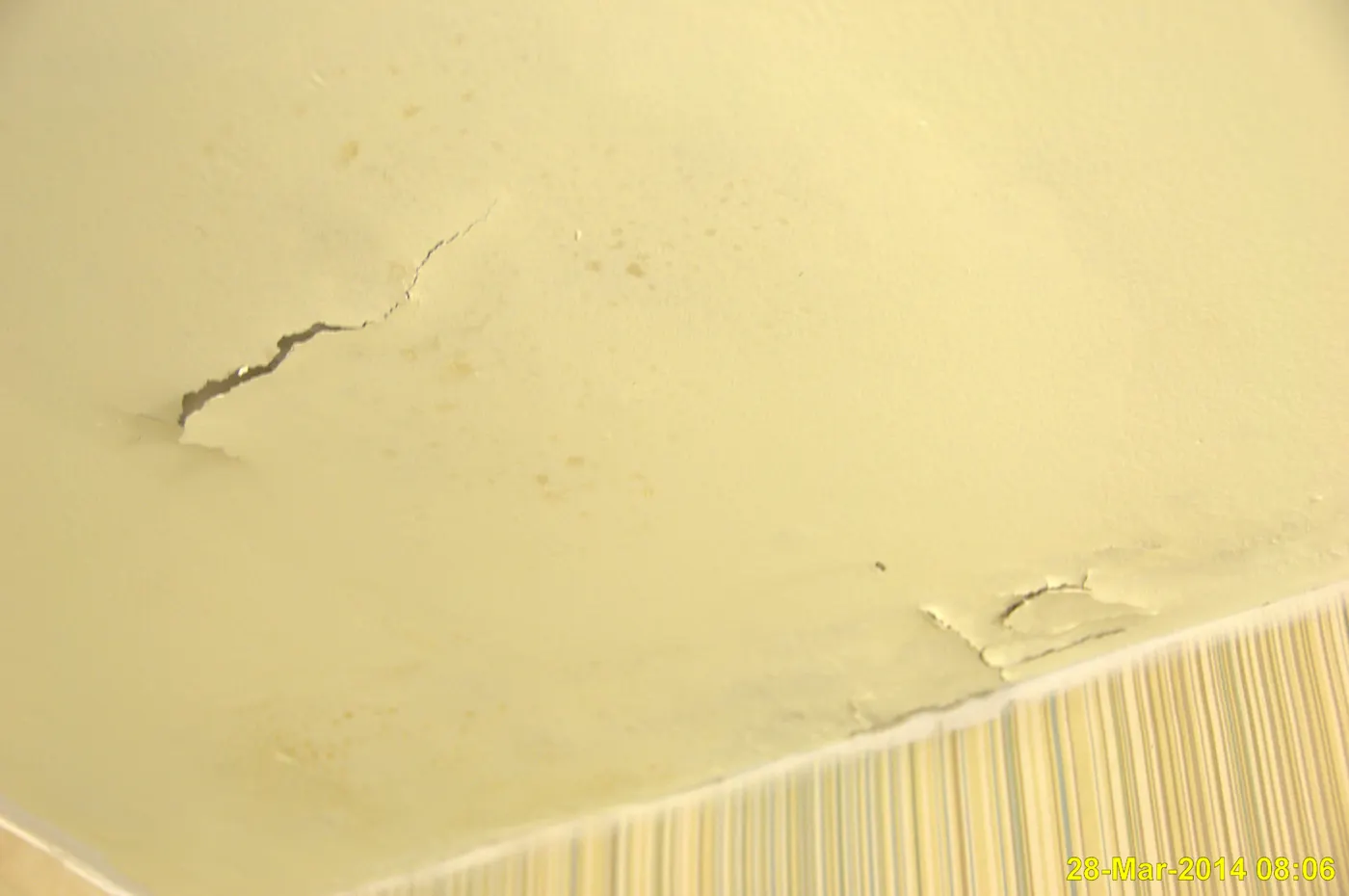
What suggests a hidden leak?
A changing stain near concealed plumbing can be a clue, although other moisture sources may look similar.
Will the inspection expose pipework?
Access and any invasive work need separate agreement; a visible inspection has limits.
Clues that need context
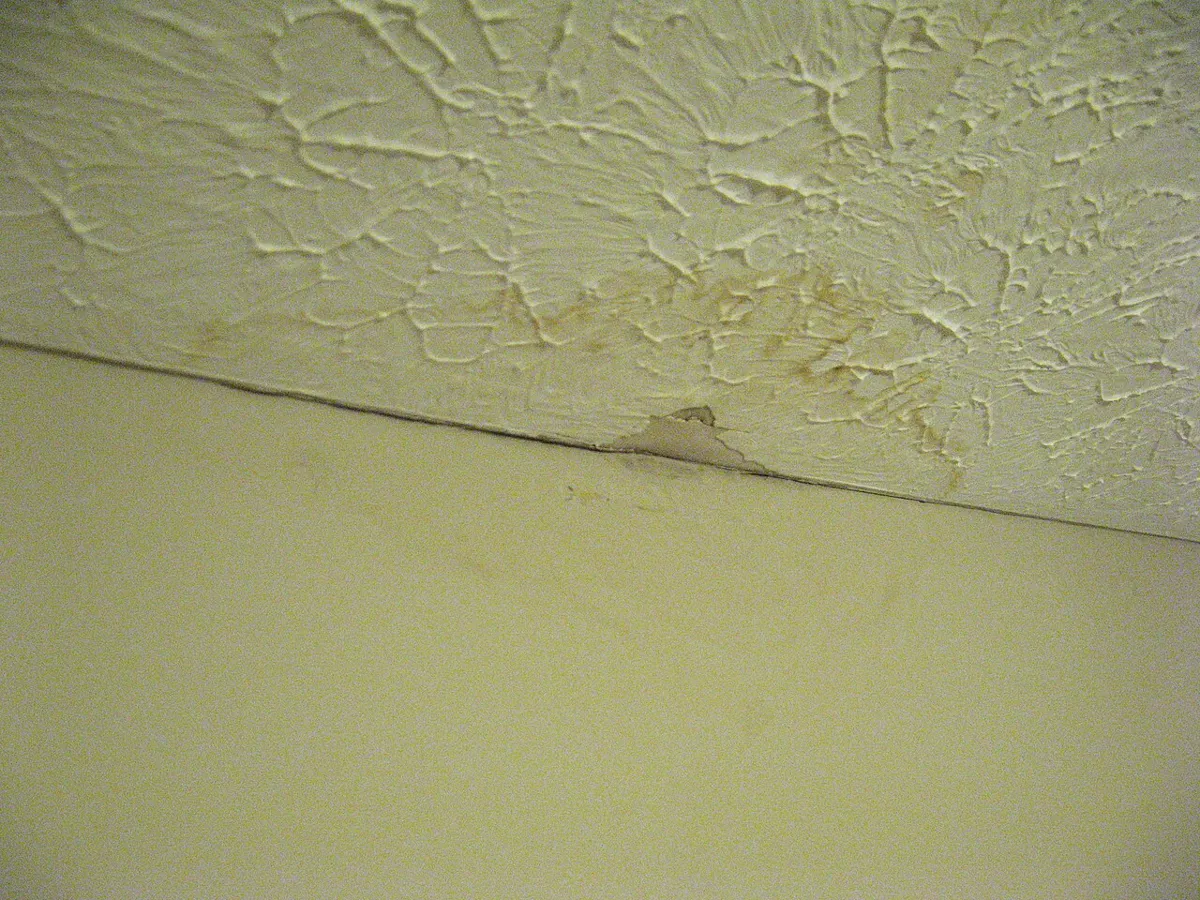
An expanding stain, damp floor edge or mark below a bathroom can be consistent with a leak, but rain penetration and condensation can sometimes create similar signs. Note whether a patch changes when water is used or after rainfall.
A concealed source is not necessarily directly behind the visible stain. Water can travel along a surface or through a construction before it becomes visible.
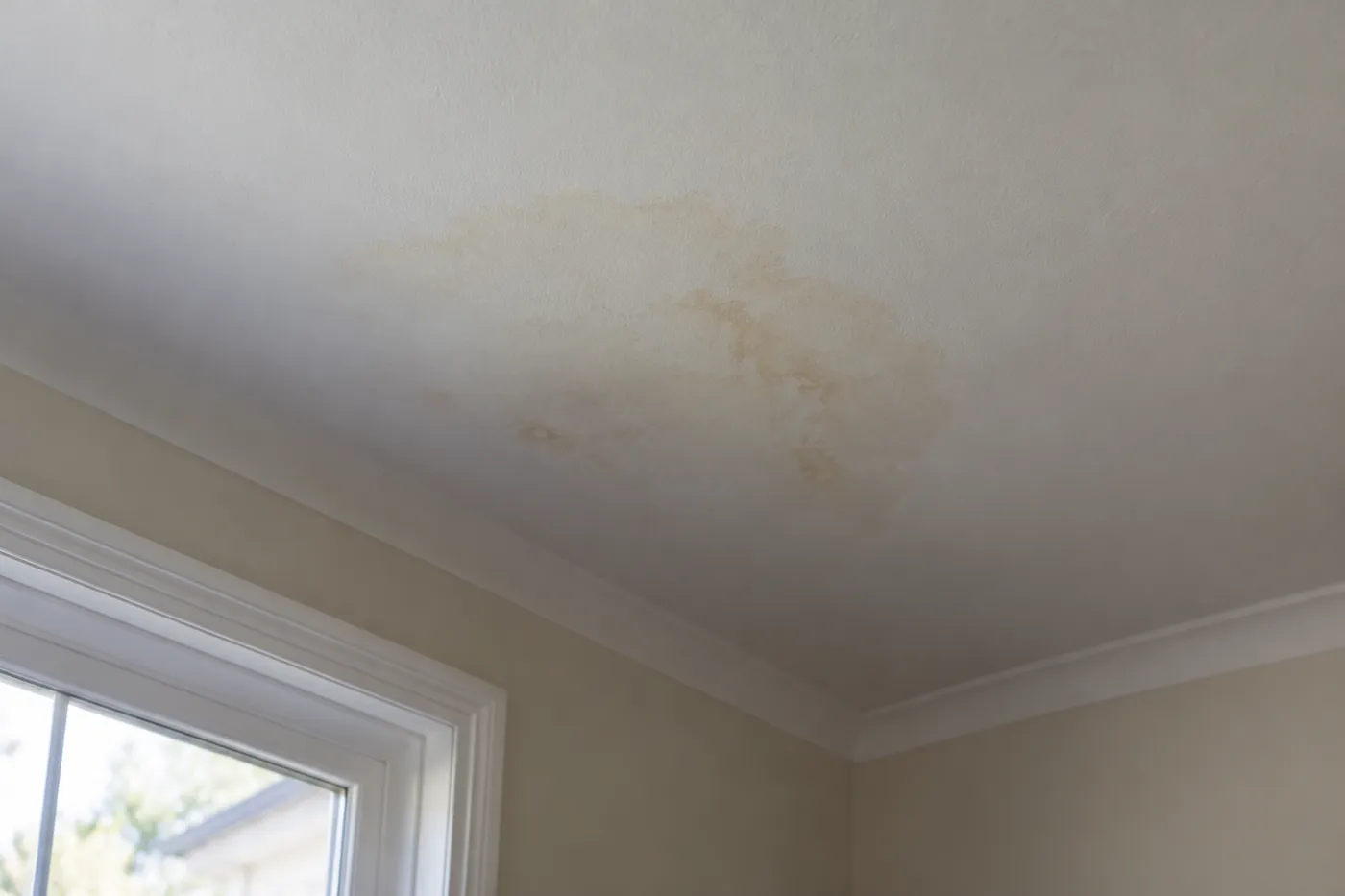
Starting with accessible evidence
Discuss the history of plumbing, previous leaks and any work near the affected area. Accessible surfaces and the pattern of moisture may help establish where further checks should focus. The tools and extent of tracing depend on the agreed scope and access.
A non-invasive inspection may not show everything inside a wall or floor. Opening up materials, specialist tracing and plumbing repairs require separate consideration and authorisation.
After a suspected source is found
Clarify what has actually been observed, what remains a possibility and whether an appropriate trade should investigate or repair it. Keep a record of the affected area and any changes while the source is being addressed.
Once a leak has been repaired, the construction may take time to dry. Mould or damaged finishes should be assessed in their own right; redecoration before the material has dried can hide an unresolved issue.
| Observation | What we consider | Possible next step |
|---|---|---|
| Stain below a bathroom | Note whether it changes with water use. | Consider accessible water routes. |
| Patch after rainfall | An external source may also be possible. | Compare indoor and outdoor clues. |
| Concealed construction | The source may not be visible. | Agree any opening up or specialist tracing separately. |
Related ways to investigate
Questions before you arrange a visit
Does a damp patch prove a pipe is leaking?
No. The patch may have another source. The surrounding evidence and history should be examined before reaching a conclusion.
Will walls be opened during an inspection?
Do not assume this. Any invasive work and reinstatement need a separate agreed scope.
Is plumbing repair included?
A detection enquiry does not automatically include plumbing repairs; discuss any recommended next step separately.
How we approach a suspected hidden leak
We ask you to describe when the stain appeared and whether it changes when a bathroom, kitchen or heating system is in use. We also want to know about recent plumbing work, previous leaks and any access restrictions around the affected area.
We consider the visible patch and adjacent surfaces in relation to possible water routes. Water can travel before appearing on a ceiling or wall, so the mark may not sit directly beneath its source. We keep rainwater and condensation in mind until the available evidence supports a narrower direction.
The first inspection is limited to what can be safely accessed under the agreed scope. Measurements or other checks may help identify an area for further investigation, but a concealed pipe cannot be fully assessed through appearance alone. Any opening up or specialist tracing needs separate agreement.
We explain what we have found and whether an appropriate plumbing or building specialist should investigate further. Once a source is repaired, wet material may need time to dry and damaged finishes may require their own assessment. Repainting should not be treated as proof that the source has been fixed.
Information that helps narrow the search
Before the visit, note where the mark started and whether it grows after a bath, shower, use of a sink or a period of rain. Let us know about recent plumbing or building work and any earlier incidents. A simple timeline is more useful than assuming the nearest pipe is responsible.
Explain where access is restricted by fixed cupboards, floors or wall finishes. Do not remove panels, cut into surfaces or expose wiring to prepare for an inspection. If there is an active substantial leak, contact the appropriate emergency or plumbing service; this page does not promise an emergency response.
What the first inspection can and cannot do
We consider accessible surfaces and the relationship between the mark and nearby water routes. An inspection may identify a pattern worth tracing, but it cannot automatically reveal every concealed fitting. The method, equipment and extent of any additional tracing must be confirmed for the property.
Water may move along a ceiling or within a floor before becoming visible elsewhere. This is why the position of a stain is treated as a starting point rather than a definitive source. If further work would require opening up, access and reinstatement should be agreed separately before it begins.
After the source is investigated
We distinguish observed evidence from a suspected cause and discuss whether a plumbing or building specialist should take over. Agree any repair scope directly with the appropriate provider; detection does not itself mean that a pipe has been repaired.
After a repair, a damp construction may take time to dry and a stained finish may still need attention. Record changes and ask how to determine whether further assessment is needed. If fresh moisture appears, do not assume that the original source was the only one.
Planning the investigation
We first ask where the mark appeared, how it has changed and whether it is close to a bathroom, kitchen, radiator or other water fitting. Tell us if the patch grows after a particular fixture is used, if a previous leak was repaired, or if there has been a sudden change in the condition of a ceiling or wall. Photographs and repair records can help establish the sequence of events and the areas that need attention.
An urgent active leak or water close to electrical equipment requires immediate attention from an appropriate emergency professional. An inspection appointment should not delay action to isolate water or electricity where needed. We discuss what is currently accessible and whether the situation is suitable for the agreed investigation.
Following the visible evidence
We examine the affected accessible surface and its surroundings, looking at the shape of the stain, damage to finishes and the relationship with nearby plumbing or adjoining rooms. A mark below a bathroom does not automatically identify the failed component: water can travel before it becomes visible. We also consider whether rainfall or condensation could explain the pattern instead of assuming that a pipe is responsible.
Where appropriate, measurements can help compare affected and nearby materials. They are interpreted in the context of the material and visible evidence; a meter alone cannot trace a pipe through a wall or prove that a particular fitting is leaking. We discuss access restrictions and any areas hidden by tiling, flooring or fixed furniture. The agreed visit does not automatically include opening up finishes, moving built-in fittings or pressure testing.
Deciding what needs to happen next
We explain what the observations support and what remains uncertain. If the pattern suggests a plumbing source, a plumber or a specialist leak-tracing service may need to carry out additional tests. If external water appears relevant, the next step may involve examining accessible rainwater goods or a building junction. A destructive inspection, specialist equipment or work at height should be separately agreed with the appropriate provider.
If an active source has been repaired, the surrounding materials may remain damp for some time. A continuing stain does not by itself prove that the repair has failed, but new moisture or a growing patch warrants further attention. Keep dated photographs and note when any change occurs, particularly after use of nearby fixtures or during wet weather.
Before repairing finishes or decorating, discuss whether the source has been resolved and whether the material has dried sufficiently. Mould growth associated with the damp area may also require an appropriate treatment plan. The scope of cleaning, plumbing repairs and redecoration should be made clear in advance; these are not assumed to be included in a leak investigation.
Discuss your property
Call about a mould or moisture concern in Harrow, HA1 or HA2.