
External Water & Gutter Issues in Harrow
Rainwater routes and visible external details can provide clues when an indoor damp patch changes with the weather. The investigation concerns possible water entry, not assumed repair work.
- Look at visible rainwater routes
- Relate external details to indoor marks
- Discuss any need for further assessment
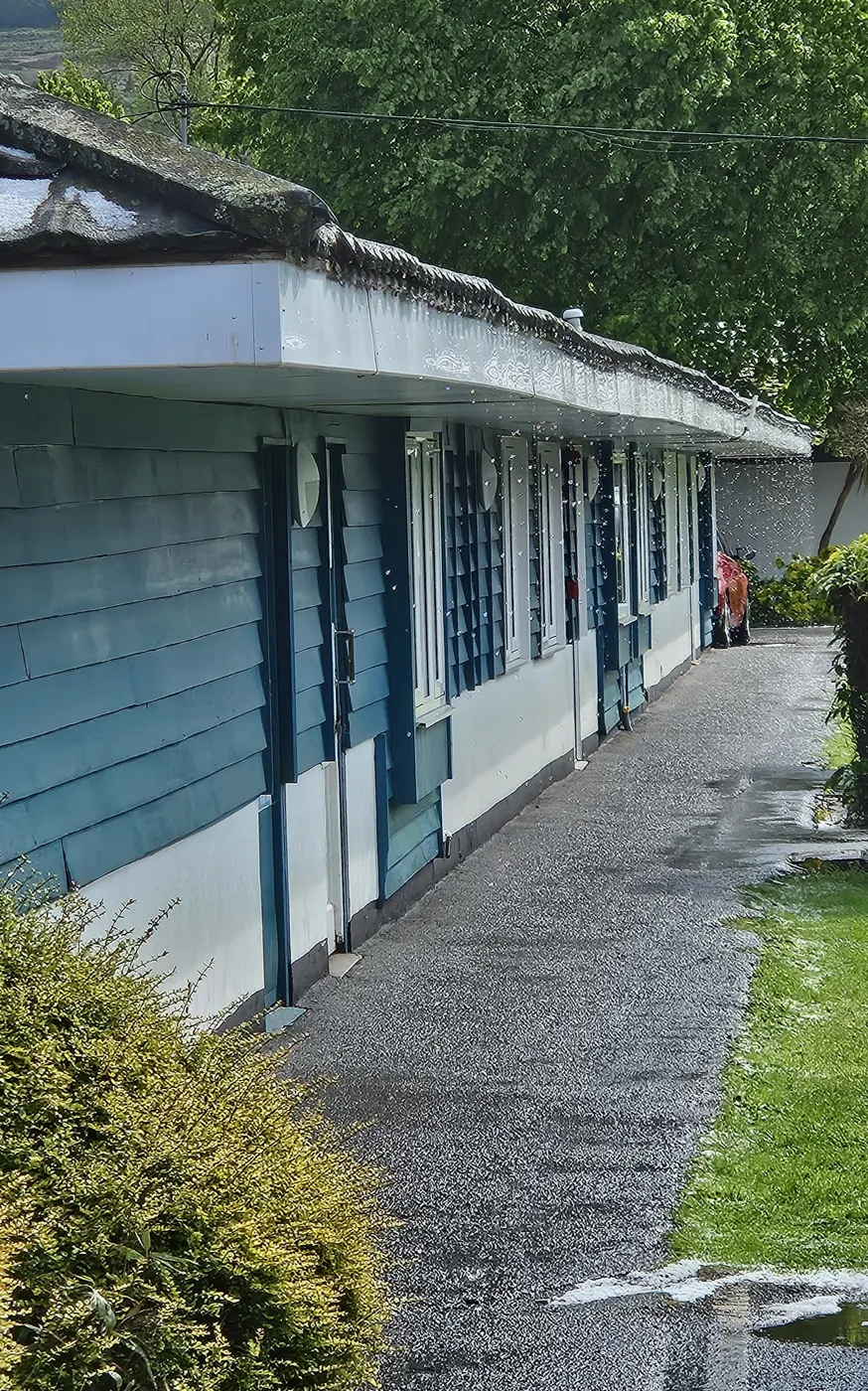
Can rainwater affect an indoor wall?
An external water route can be relevant when a patch changes after rain, but it is not the only possible cause.
Are gutter repairs included?
The investigation does not automatically include gutter, roof or building repairs.
How rainwater can affect a wall
Overflowing gutters, poorly directed downpipes or an exposed external detail can allow water to collect where it is not intended. A corresponding internal mark may become more noticeable during or after prolonged rain, though timing alone does not prove the route.
Note the position of the patch relative to windows, roof edges and downpipes. Weather records and photographs can help describe when the change occurred without making assumptions about the cause.
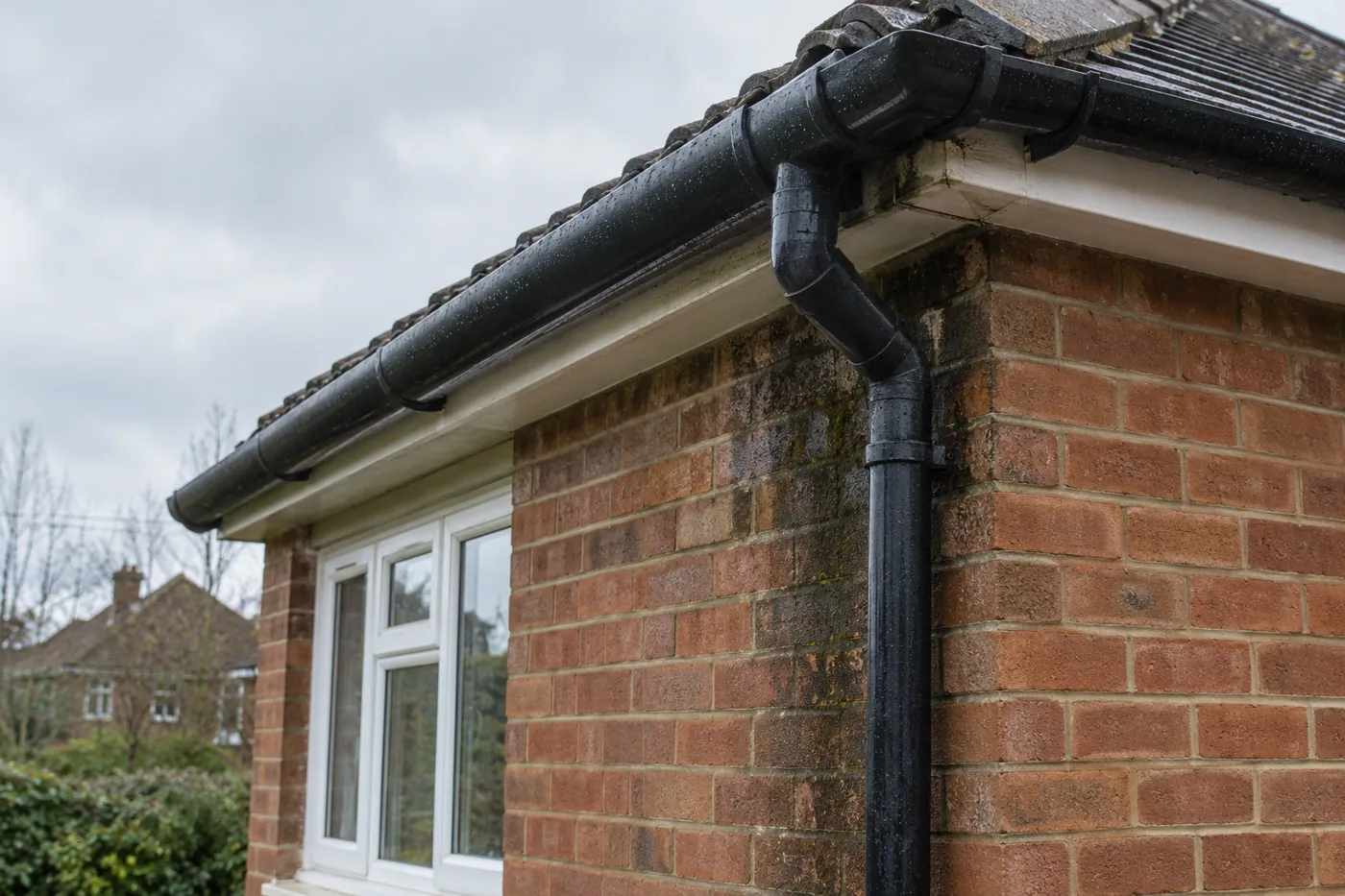
What can be checked safely
An initial inspection considers accessible and visible features and their relationship to the indoor area. High-level or concealed elements may not be safely visible from the ground, and a closer inspection may require an appropriate specialist and equipment.
Do not climb onto a roof or use an unsafe ladder to investigate a suspected defect. Any access limitations should be explained alongside the observations.
The next action
If the evidence suggests an external defect, an appropriate contractor may need to inspect and repair it. Gutter cleaning, roof work and building repairs are not implied by this investigation.
After the source is addressed, allow for drying and monitor whether the pattern changes. If damp continues, more than one source may be involved and further assessment may be needed.
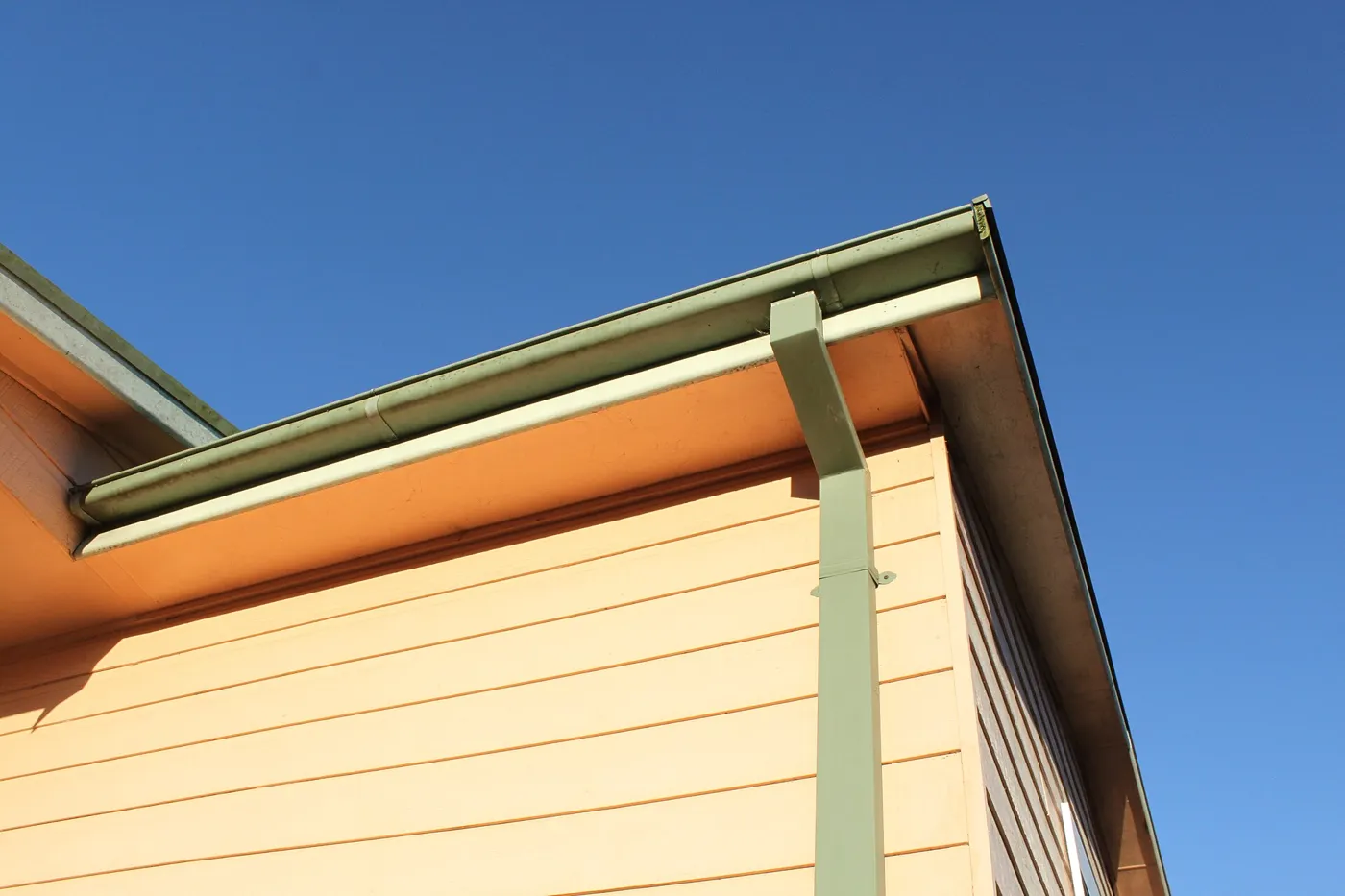
| Observation | What we consider | Possible next step |
|---|---|---|
| Overflowing gutter | Note location and weather conditions safely. | Arrange an appropriate external assessment. |
| Damp near a downpipe | Compare the external position with the indoor mark. | Investigate the possible route of water. |
| High or concealed defect | It may not be visible from the ground. | Discuss safe specialist access separately. |
Related ways to investigate
Questions before you arrange a visit
Can a gutter cause an indoor damp patch?
It is one possible source where rainwater is escaping near a wall, but the route and other causes require investigation.
Does the service include gutter repairs?
The investigation does not automatically include repair, cleaning or roof work.
Can every defect be seen from the ground?
No. Some areas are concealed or inaccessible and may need a separate specialist inspection.
How we check external water clues
We ask where the internal mark sits and whether it changes after rain. Photographs taken during different weather conditions can help establish a timeline. Tell us about known gutter problems or previous work on nearby windows, walls or roof edges.
We look at accessible external details in relation to the damp area, including the visible route of rainwater and nearby wall features. The inspection is restricted by safe access and visibility; an item hidden behind a fitting or above ground level may need a separate specialist visit.
We compare what can be seen outside with the position and history of the indoor patch. A nearby downpipe or gutter is a clue to consider, not proof of the route by which water enters. Condensation and concealed leaks can also contribute to a damp area.
If a defect is suspected, we explain the observation and the next investigation to discuss with the relevant contractor. Cleaning, gutter repair, roof work and building repairs are separate activities and are not promised as part of this inspection.
Before the external inspection
Tell us which wall or ceiling is affected and whether the mark changes during or after rainfall. A photograph of the full elevation, taken safely from ground level, can help explain the position of gutters, windows and downpipes. Mention any previous overflow or work you know about, without climbing to inspect high areas.
Access and weather can affect what can be observed. Tell us about locked gates, shared areas or restrictions before the visit. The scope should make clear whether inspection is limited to visible ground-level features and whether any closer access would require a separate specialist.
Connecting inside and outside
We compare the location and history of the internal mark with accessible external details. Water overflowing from a gutter, a poorly directed outlet or an exposed junction may be relevant, but the nearest feature is not automatically the source. We also consider whether the timing and pattern point to another explanation.
Some defects are concealed or cannot be safely viewed from the ground. An initial inspection cannot promise to identify every route behind a wall or at roof level. Where evidence is incomplete, we explain the limitation and what kind of further assessment may be useful.
Following up on the findings
If an external defect is suspected, ask the appropriate contractor to examine and quote for any repair. Gutter cleaning, roof repairs and building work are not included simply because a rainwater issue was investigated. Agree access, cost and scope with the provider carrying out that work.
After a source is addressed, monitor the area through suitable weather conditions and allow time for affected material to dry. If the mark continues to change, further investigation may be needed. Keep photographs and dates so that a later assessment can compare the pattern with the previous findings.
Preparing for the external water investigation
We begin by asking where the damp patch is and whether it changes after rain. Note which wall is affected, whether the mark is near a window, roof edge or downpipe, and whether water has been seen overflowing from a gutter. Earlier photographs and details of previous gutter cleaning, building repairs or alterations can help us understand the history. The location of an internal stain is a useful clue, but it does not always show exactly where water entered.
Tell us about any access restrictions before the visit, including locked side passages, neighbouring property, fragile roof areas or surfaces that cannot be reached safely. The assessment is limited to the areas and access arrangements agreed in advance. Work at height, scaffolding, cleaning and repairs are separate activities and should not be assumed to be part of an inspection.
Looking at the route rainwater takes
During the agreed visit we consider visible, accessible details in relation to the internal mark. Depending on the property, relevant features may include gutters, joints, downpipes, window surrounds and junctions in the external wall. We look for signs such as staining, visible gaps, water tracks or vegetation that might warrant closer attention. If the weather is dry, an overflow that occurs only during heavy rain may not be visible at the time of the visit.
We compare these observations with the position and history of the damp area. Water can travel along or through building materials, so a defect directly above a mark is not automatically the confirmed source. Indoor condensation and plumbing can also produce damp symptoms. Where the evidence is limited, we explain what cannot be checked and whether another specialist or further observation is appropriate.
Discussing repairs and follow-up
After the inspection we identify the visible observations, possible explanations and any areas that were inaccessible. A blocked gutter, damaged joint or defective external detail may need cleaning or repair by a suitable contractor, but the precise work depends on the findings. Roof work, access equipment, drainage work and building repairs require their own agreed scope and are not included automatically.
If a repair is undertaken, keep a dated record of conditions before and after periods of rain. Existing plaster and masonry can take time to dry, and an old stain may remain even when the source has stopped. A new or expanding wet patch, however, is worth discussing because more than one route of water entry may be present.
Wait until the moisture source has been dealt with and the material has had an opportunity to dry before deciding on redecoration. If mould or damaged finishes are present, agree separately how these will be assessed and treated. We can discuss whether further damp inspection or leak investigation is needed if the pattern does not improve.
Discuss your property
Call about a mould or moisture concern in Harrow, HA1 or HA2.